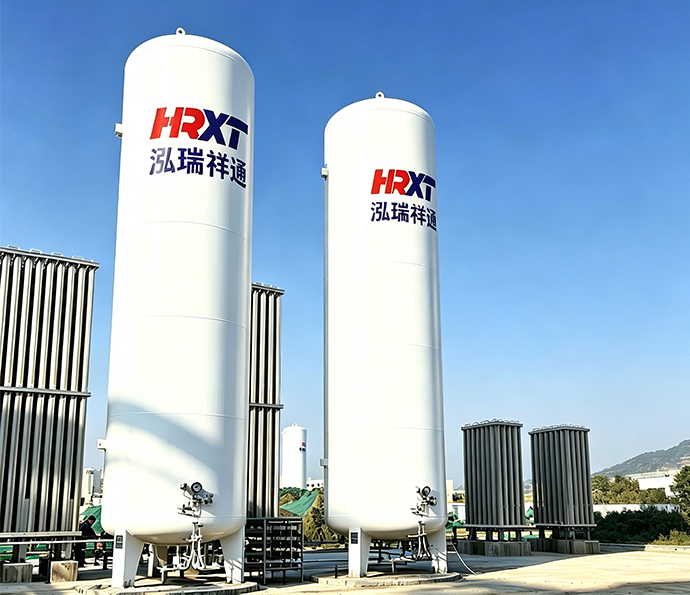
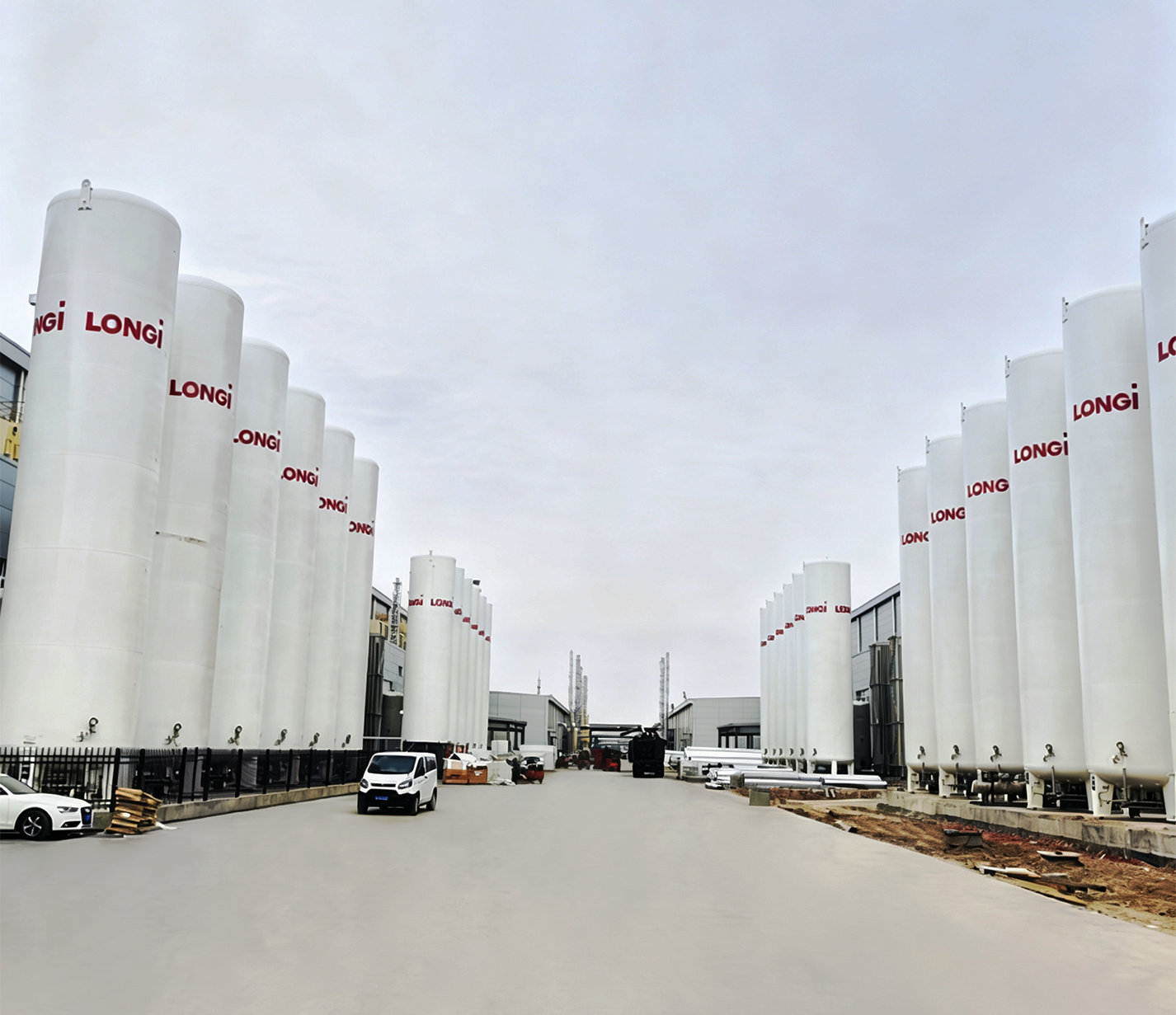
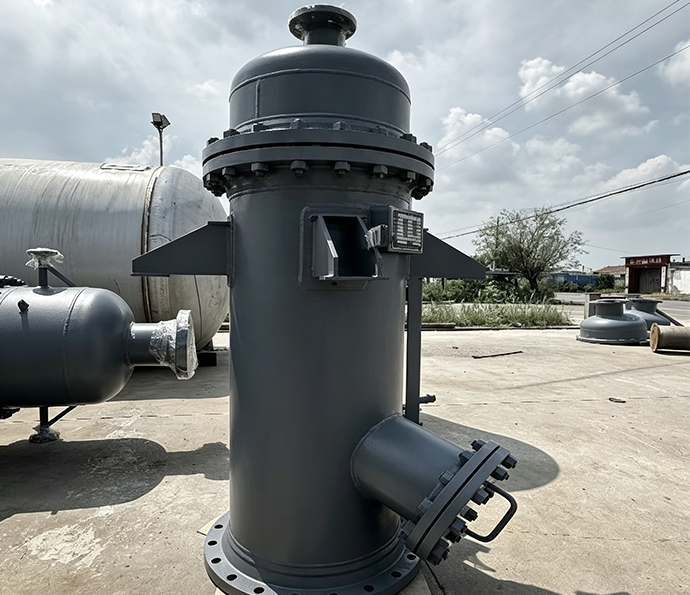
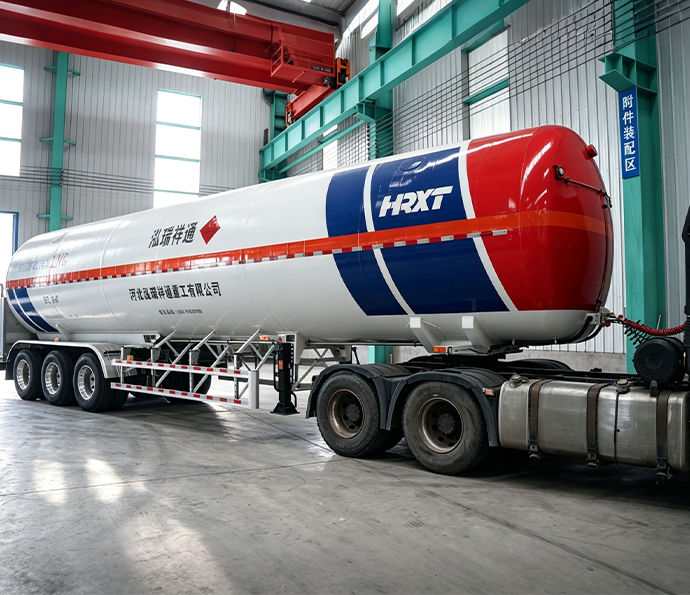
LNG Buffer Storage Tank
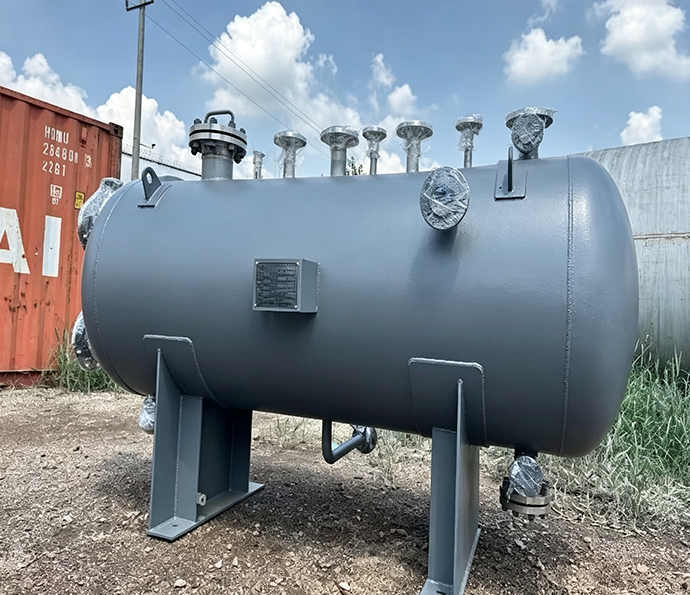
The buffer tank is key equipment for LNG vaporization stations. It directly affects stable operation and accounts for a large proportion of total project cost.
Structurally, it can be classified into underground tanks, above‑ground metal tanks and metal prestressed concrete tanks. LNG tanks include vacuum powder insulated type, positive‑pressure piled insulated type and high‑vacuum layered insulated type. Vacuum‑powder insulated cryogenic tanks are widely adopted for medium‑ and small‑scale vaporization stations. The tank consists of inner and outer shells. The annular space is filled with perlite and evacuated to reduce external heat ingress, achieving daily LNG boil‑off rate below 0.3%.
Available in vertical or horizontal configuration. Operating pressure: 0.6‑1.44 MPa, operating temperature: ‑162 °C. The double‑shell structure with vacuum‑evacuated perlite insulation isolates the system from atmosphere. It prevents influences from atmospheric pressure & temperature variation and avoids moist air entering the insulation layer, so as to maintain good performance of cold‑retention materials.
High safety requirements apply. In case of tank failure, stored cryogenic liquid will vaporize violently with volume expansion up to around 300 times, forming spontaneously flammable gas clouds. Therefore, international codes such as API and BS mandate double‑wall tank design based on containment philosophy. If leakage occurs on inner shell, the outer shell can contain leaked liquid and vapor.